Hot flashes are the most common symptom of menopause, affecting most women during the transition. They happen because falling estrogen makes the brain's temperature thermostat (the hypothalamus) oversensitive, triggering sudden heat, flushing, and sweating. Episodes usually last one to five minutes and can persist for years. Hormone therapy is the most effective first-line treatment, alongside trigger-avoidance and lifestyle measures.
That sudden wave of heat across your chest, neck, and face can arrive without warning, leaving you flushed, sweaty, and wondering what just happened. Hot flashes are the signature symptom of the menopausal transition, and the main driver behind them is a single hormone: estrogen. Understanding how falling estrogen rewires your body's internal thermostat is the first step toward calming the flame and feeling like yourself again.
What is the most common symptom of menopause?
Hot flashes are the most common symptom of menopause, and most women experience them at some point during the transition. Research published in the National Institutes of Health PMC library notes that more than 80 percent of women experience hot flashes during menopause. They show up as transient sensations of heat, sweating, flushing, anxiety, and sometimes chills.
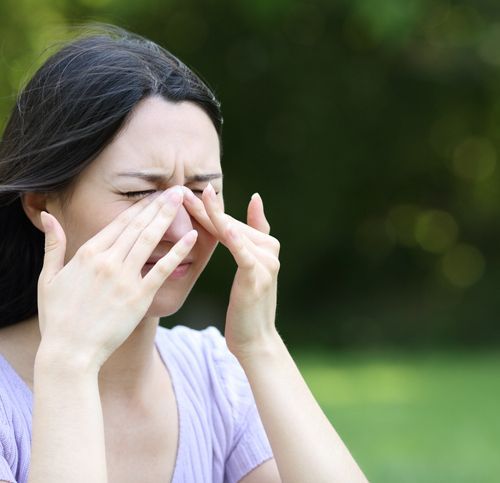
A hot flash is a brief but intense feeling of warmth that spreads through the upper body. The skin may look red and blotchy, the heart can race, and many women feel chilled as the episode lets up. According to the Mayo Clinic, a single hot flash usually lasts one to five minutes, and on average women have them for more than seven years. For some women, they linger far longer.
Why does estrogen cause hot flashes?
Hot flashes are triggered by estrogen withdrawal. As estrogen levels drop during the menopausal transition, the brain's temperature control center becomes oversensitive and overreacts to small shifts in core body temperature. The Cleveland Clinic explains that declining estrogen disrupts the body's temperature regulation system, which can produce those sudden sensations of heat.
The control center responsible is a small region of the brain called the hypothalamus, often described as your body's thermostat. When estrogen falls, the hypothalamus narrows what experts call the thermo-neutral zone, the comfortable range in which your body neither sweats nor shivers. With that zone narrowed, the threshold for sweating drops and the threshold for shivering rises. In plain terms, peri- and menopausal women tend to run a bit warmer, with greater tolerance for cold and less tolerance for heat. These shifts are tied to fluctuations in several hormones and brain chemicals, including estrogen, norepinephrine, and serotonin. This kind of hormonal disruption is a hallmark of the broader menopause transition many women search for answers about.
How does the body's thermostat overreact?
When the hypothalamus mistakenly senses the body is too warm, it launches a rapid cool-down response. Blood vessels near the skin widen, blood rushes to the surface, and sweat glands switch on, all in an effort to dump heat fast. That cascade is the hot flash you feel.
This is why a room that felt perfectly comfortable a moment earlier can suddenly feel stifling. The trigger is not the room; it is a narrower internal comfort zone created by lower estrogen. Common day-to-day triggers that nudge the body past that tightened threshold include warm environments, hot drinks, spicy food, alcohol, caffeine, and stress.
Why are hot flashes worse at night?
Hot flashes that strike during sleep are called night sweats, and they can be especially disruptive. The Office on Women's Health reports that low estrogen levels can cause hot flashes that make you sweat while you sleep. Because your body temperature naturally shifts overnight, the narrowed thermo-neutral zone is easier to cross when you are under blankets in a warm bedroom.
The bigger problem with night sweats is the toll they take on rest. Waking drenched and overheated fragments sleep, and over time that broken sleep can affect mood, focus, and energy during the day. Keeping the bedroom cool, using breathable bedding, and avoiding alcohol or heavy meals before bed are simple steps that may ease nighttime episodes.
How long do hot flashes last?
Hot flashes are temporary for most women, but the timeline varies widely. Many women experience them for several years around menopause, while a smaller group has them much longer. Johns Hopkins Medicine notes that a small percentage of women experience hot flashes for more than two years, and that these flashes seem to be directly related to decreasing levels of estrogen.
The duration depends on factors like genetics, lifestyle, and overall health. The takeaway is encouraging: hot flashes are a normal part of the hormonal shift of midlife, not a sign that something is permanently wrong, and there are effective ways to manage them while your body adjusts.
What treatments help with hot flashes?
The most effective option for bothersome hot flashes is hormone therapy, which works by replacing the estrogen your body is no longer making. The Menopause Society states that hormone therapy is approved as a first-line treatment for the relief of bothersome hot flashes and is the most effective treatment available.
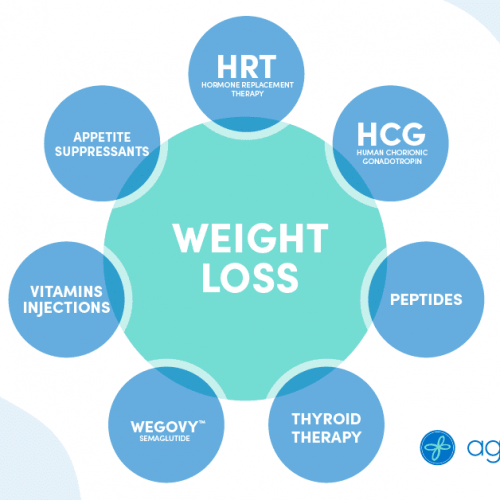
If you are experiencing hot flashes during peri- or menopause, the hormone replacement therapy program at ageRejuvenation is designed to address the hormonal imbalances behind them. A tailored plan begins with testing and a conversation about your symptoms and goals, so any therapy fits your individual situation. You can explore a personalized approach to estrogen restoration and balance through our women's health and hormone optimization services. Beyond hormones, lifestyle measures such as dressing in layers, identifying personal triggers, staying active, and managing stress can all help. For women who prefer or need non-hormonal routes, options exist as well, and a clinician can help you weigh which path matches your health history. Results may vary by individual, so consult your doctor to see if a medically supervised hormone replacement plan is right for you.
Frequently Asked Questions
How can I stop hot flashes without hormone therapy?
Some women ease hot flashes through lifestyle changes alone. Keeping cool, dressing in layers, limiting alcohol, caffeine, and spicy food, managing stress, and staying active can all reduce episodes. Certain non-hormonal medications may also help. A clinician can review your options and help you choose an approach that fits your health history.
Why are my hot flashes getting worse?
Hot flashes can intensify as estrogen levels continue to drop and fluctuate during the menopausal transition. Triggers like heat, alcohol, caffeine, spicy food, smoking, and stress can make individual episodes stronger. If yours are worsening or disrupting daily life, it is worth talking with a healthcare provider about evaluation and treatment.
Are hot flashes a sign of something serious?
For most women, hot flashes are a normal symptom of declining estrogen during menopause. Rarely, they can stem from other causes such as thyroid problems, certain medications, or other medical conditions. If hot flashes appear outside the typical menopausal window or come with other unusual symptoms, see a healthcare professional.
What age do hot flashes usually start?
Hot flashes most often begin during perimenopause, the years leading up to menopause, when estrogen levels start to decline and fluctuate. This commonly happens in a woman's forties or early fifties, though timing varies. Some women notice them earlier and others later, depending on individual hormonal changes.
Can men get hot flashes too?
Yes, men can experience hot flashes, usually when testosterone levels drop sharply, such as during certain medical treatments. The underlying mechanism still involves the brain's temperature control center responding to hormonal change. Anyone with persistent or unexplained hot flashes should speak with a healthcare provider for proper evaluation.
Ready to take the next step?
Talk with the AgeRejuvenation team about a Hormone Replacement Therapy plan built around your labs and goals.