Diet soda has few calories but contains artificial sweeteners like aspartame and sucralose that can scramble appetite signals. Research links daily intake to weight gain plus higher metabolic syndrome and type 2 diabetes risk. Regulators call the sweeteners safe in small amounts, yet they add no nutrition. Smarter swaps and a medical weight loss plan beat any diet drink.
The phrase "diet soda" sounds like a smart swap, but the science is far messier than the marketing. Although diet sodas have either zero or just a few calories, they can contain artificial sweeteners like aspartame and sucralose. The body can register these artificial sweeteners as if real sugar is going into you, and over time that confusion may feed cravings, weight struggles, and metabolic problems. If you have been drinking diet soda to support a healthier body composition, this guide explains what the research actually says, and where a more structured plan through a physician-guided weight loss program can do what a "diet" beverage cannot.
Does diet soda really cause weight gain?
Diet soda will not directly add calories, but research suggests it may still work against your goals. Large observational studies have linked daily diet soda intake to higher risk of weight gain and obesity, likely because sweet taste without calories can disrupt appetite signals. In short, the drink that promises help can quietly stack the deck.
The reason is part biology and part behavior. When your tongue tastes intense sweetness, your brain expects incoming energy. When no real calories arrive, the body may compensate later through stronger hunger and cravings, often leading to overeating. Mayo Clinic notes that sugar substitutes do not appear to help people lose or maintain weight over the long term, and that diet soda typically lacks ingredients your body actually needs. That makes it a poor foundation for lasting results.
What are the side effects of aspartame in diet soda?
Most diet soda contains the sweetener aspartame, which breaks down into phenylalanine in the body. Beyond that, regular diet soda intake has been associated with metabolic and heart-related concerns in long-term studies, though the evidence is still developing. The sweetener itself is considered safe in normal amounts by regulators.
In fact, U.S. regulators have repeatedly affirmed that approved sweeteners are safe at typical intake levels. The Food and Drug Administration lists aspartame, sucralose, and saccharin among additives it has reviewed and deemed acceptable for use in the food supply. The more practical question is not whether one can is toxic, but what daily reliance does to your appetite, habits, and long-term metabolic health.
Diet Soda Side Effects and Your Gut Hormones
Your intestine is covered with cells that secrete hormones. These cells react to the presence and composition of food by secreting peptides that work on the brain, signal satiety, and control glucose by influencing the secretion of insulin. Artificial sweeteners seem to not affect these hormones the way real food does. The sweet taste causes the brain to register a high-calorie intake. The lack of calories then creates cravings, usually leading to over eating.
This matters for anyone trying to manage their weight. When satiety signals get muddled, it becomes harder to feel genuinely full, and easier to graze through the afternoon. Cleveland-area and academic clinicians increasingly frame diet soda as nutritionally empty rather than helpful. Researchers at UT MD Anderson point out that artificial sweeteners offer no nutritional value even though they are not proven to cause cancer. If hunger and cravings feel unmanageable, that is often a sign your underlying metabolism and appetite hormones deserve a closer look.
Is diet soda linked to type 2 diabetes?
Yes, frequent diet soda intake has been associated with a meaningfully higher risk of metabolic syndrome and type 2 diabetes in research. One large multi-ethnic study found that people drinking diet soda at least daily had notably elevated risk compared with those who rarely drank it.
That landmark study, published through the National Institutes of Health, reported that at least daily diet soda consumption was associated with a 36 percent greater relative risk of metabolic syndrome and a 67 percent greater risk of type 2 diabetes. These are associations rather than proof of cause, but the pattern is consistent enough that many clinicians treat heavy diet soda use as a yellow flag. Patterns like rising blood sugar and stubborn belly fat often trace back to underlying insulin resistance, which a tailored medical plan can target directly.
Where to find Artificial Sweeteners
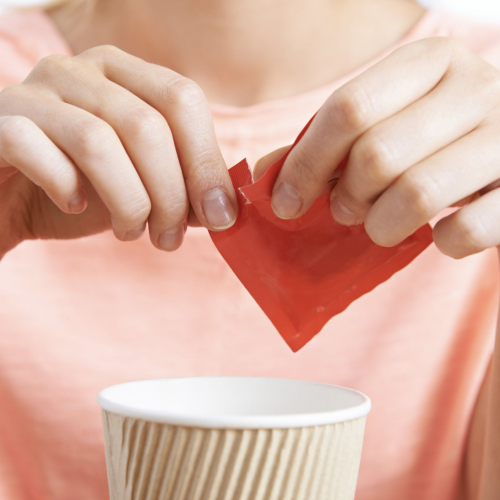
Today artificial sweeteners and other sugar substitutes are found in a variety of food and beverages. These sweeteners are marketed as "sugar-free" or "diet" and widely used in processed foods. They are also included in baked goods, soft drinks, powdered drink mixes, candy, puddings, canned foods, jams and jellies, dairy products, and many other foods and beverages.
Because they hide in so many products, cutting back is rarely as simple as skipping one soda. Reading labels for sucralose (Splenda), aspartame (Equal), and saccharin (Sweet N' Low) helps you spot them. Harvard nutrition experts note that while these sweeteners may help reduce added sugar in the short term, they are best treated as a bridge rather than a long-term habit. The best alternatives to artificial sweeteners would be naturally lower-sugar choices.
Smarter swaps that actually support weight loss
If you enjoy the fizz, you do not have to suffer plain water. Replacing diet soda with sparkling water, unsweetened tea, or fruit-infused water removes the artificial sweetener load while keeping you hydrated. These swaps support your metabolism instead of confusing it.
Real progress, though, usually comes from a plan, not a single product swap. Clinicians at Ohio State note that most providers would not actively recommend diet soda even over regular soda, since neither earns a place in a genuinely healthy diet. For people who have tried beverage swaps and calorie cutting without lasting results, a structured, medically supervised approach to weight loss can address the appetite hormones, insulin response, and metabolic factors that willpower alone cannot. Age Rejuvenation builds these plans around your labs and goals, and you can explore the full range of options across our weight loss services to find the right fit.
Frequently Asked Questions
Is one diet soda a day bad for you?
A single daily diet soda is unlikely to cause acute harm, and regulators consider approved sweeteners safe in normal amounts. Still, daily intake has been associated with higher metabolic risk in long-term studies, so it is wise to treat it as an occasional choice rather than a staple, especially if you are managing your weight.
Will I lose weight if I stop drinking diet soda?
Quitting diet soda alone may not melt away pounds, but it can help by reducing sweet-driven cravings and steadying your appetite signals. Many people find that pairing the swap with water and a structured eating plan makes weight loss noticeably easier and more sustainable over time.
Which is worse, sugar or artificial sweeteners?
Both have downsides. Excess sugar adds calories and spikes blood sugar, while artificial sweeteners may disrupt appetite cues and gut hormones without adding calories. Neither is a health food. The best long-term move is reducing your reliance on intensely sweet drinks of either kind and favoring water-based options.
Does diet soda affect blood sugar or insulin?
Diet soda contains no sugar, so it will not spike blood sugar directly. However, some research suggests artificial sweeteners may influence insulin signaling and appetite hormones over time, which can matter for people with insulin resistance or prediabetes. If blood sugar is a concern, discuss your beverage habits with a clinician.
What are the best diet soda alternatives?
Sparkling water, seltzer, fruit-infused water, and unsweetened tea or coffee are excellent swaps. They keep you hydrated without artificial sweeteners or sugar. Adding fresh lemon, cucumber, or berries gives natural flavor, making it far easier to leave diet soda behind for good.
Ready to take the next step?
Talk with the AgeRejuvenation team about a Medical Weight Loss plan built around your labs and goals.