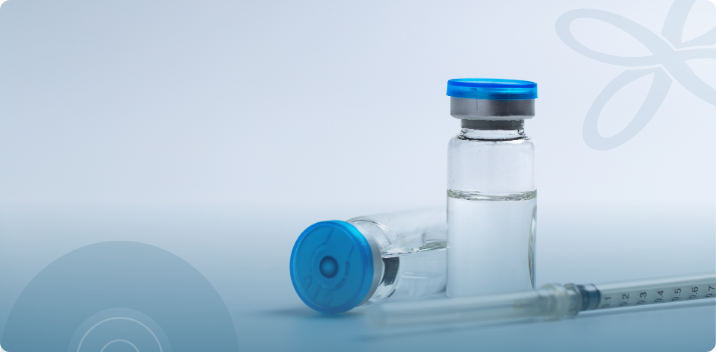
Semax and Dihexa are brain-supporting peptides that may help with stress and anxiety by improving focus, stress resilience, and cognitive clarity rather than directly sedating you. Research is still growing, results vary, and they work best as one part of a medically supervised plan that also addresses hormones, sleep, nutrition, and overall brain health.
Peptides for mood disorders are getting more attention from people who feel stressed, anxious, or mentally drained and want options beyond traditional medication alone.
If you notice that worry, brain fog, or low motivation keep coming back even when you try to live a healthy lifestyle, it is normal to wonder whether targeted peptide therapy could make a difference for your mood and stress response.
What Are Mood-Focused Peptides, and How Do They Work?
Mood-focused peptides are short chains of amino acids that act as chemical messengers, sending very specific signals to the brain and nervous system. Instead of broadly sedating you, they aim to fine-tune the signaling pathways that shape focus, stress resilience, and emotional balance.
Peptides are short chains of amino acids that act as messengers in the body. In medical settings, specific peptides are used to send very focused signals, such as supporting tissue repair, hormone balance, or brain function.
When clinicians talk about peptides that support mood, they are usually referring to compounds that influence brain signaling, stress hormones, or neuroplasticity, the brain's ability to adapt and form new connections. This matters because chronic stress and anxiety are not only emotional experiences. Anxiety disorders are the most common mental health condition in the United States, and they often show up with physical symptoms such as muscle tension, fatigue, and trouble concentrating, as the National Institute of Mental Health explains in its overview of anxiety disorders.
Understanding Neuro-Regulating Peptides
Neuro-regulating peptides are a group of compounds that interact directly with the nervous system. Instead of simply raising or lowering one neurotransmitter, they tend to fine-tune the way different brain regions communicate. Some may support the release of brain-derived factors that protect neurons. Others may help the brain recover after stress or injury or make it easier for new synapses to form.
Semax and Dihexa belong to this category of brain-supporting peptides. Both are designed to support healthy brain function, but they work through different pathways. That is why they are often considered when someone is struggling with focus, stress resilience, or cognitive issues that seem to sit underneath their anxiety. People exploring this path usually start with a dedicated provider-guided Semax peptide program for mental clarity and stress support rather than buying compounds on their own.
How Semax and Dihexa May Support Stress, Anxiety, and Brain Health
When people look into peptides for mood disorders, Semax and Dihexa often come up because of their potential to support brain function at a deeper level. Instead of only working on surface symptoms, these neuro-regulating peptides may influence how the brain responds to stress, handles anxious thoughts, and recovers from mental fatigue. Understanding what each one does makes it easier to see whether they might belong in a larger plan for emotional balance and cognitive health.
Semax Peptide and the Brain's Stress Response
How does Semax relate to stress and anxiety? Semax is a synthetic peptide studied mainly for cognitive support, and research suggests it may also influence the brain pathways tied to stress and mood, which is why it interests people whose anxiety comes with brain fog and low drive.
Semax is a synthetic peptide that has been studied for its ability to support attention, learning, and overall cognitive performance. A 2025 scientific review notes that Semax has been used for neurological and stress-related conditions and shows nootropic effects on learning, attention, and memory, according to peer-reviewed research published through the National Institutes of Health. Some studies also point to its role in supporting brain-derived neurotrophic factor, a protein that helps neurons survive and form new connections.
For some people, this can translate into feeling more focused, mentally clear, and less reactive to everyday stress. Because the body's stress response runs through the hypothalamic-pituitary-adrenal axis, support that helps the brain stay clear under pressure may make that response feel more manageable, a stress cascade described in detail by Harvard Health Publishing.
At AgeRejuvenation, Semax peptide therapy is used as part of a broader plan to help maintain brain function as people age. Under medical supervision, it may be considered for patients who report anxiety, trouble concentrating, or cognitive changes that make stress feel more difficult to manage. This is one of several options inside our full menu of medically supervised peptide therapy protocols, and it is usually paired with changes in sleep, nutrition, and lifestyle rather than used on its own.
Dihexa Peptides and Cognitive Support
What does Dihexa do for the brain? Dihexa is a neuro-focused peptide that appears to strengthen communication between brain cells, supporting memory, learning, and mental processing speed, which can make stressful days feel more manageable.
Dihexa is another neuro-focused peptide that appears to enhance communication between brain cells. It has been shown in research settings to activate receptors linked to neuron growth and synapse formation. In practical terms, that means it may help support memory, learning, and mental processing speed.
AgeRejuvenation offers Dihexa peptides primarily to support brain fog and age-related cognitive decline. When thinking about stress and anxiety, this kind of cognitive support can matter more than it first seems. When your memory, recall, and mental organization improve, daily challenges often feel less overwhelming, and it becomes easier to stay calm and confident in busy or high-pressure situations.

Why Chronic Stress Deserves a Whole-Body Approach
Why is stress more than a mental problem? Chronic stress is a physical state. Ongoing pressure keeps stress hormones elevated, which over time can affect sleep, digestion, blood pressure, and the immune system, so calming the mind alone is rarely enough.
When stress stays switched on for weeks or months, the body keeps releasing hormones that were only meant for short bursts. Over time, that steady output can wear on nearly every system, from the heart and gut to sleep and mood, as the American Psychological Association outlines in its review of how stress affects the body. Anxiety can deepen the same loop, since excessive worry often brings muscle tension, restlessness, and trouble concentrating, symptoms detailed by the Mayo Clinic in its guide to generalized anxiety disorder.
This is why peptides are best viewed as one tool inside a wider plan. If hormones, blood sugar, sleep, or inflammation are off balance, even a well-chosen peptide has more to fight against. Looking at the full picture, including ongoing stress and anxiety symptoms that affect daily life, helps a provider decide where peptides fit and where other support matters more.
How AgeRejuvenation Uses Peptide Therapy for Mood, Stress, and Brain Fog
Peptides like Semax and Dihexa are only one piece of the puzzle. At AgeRejuvenation, providers look at the full picture before recommending any peptide therapy. That can include advanced lab testing to review hormones, thyroid function, inflammation markers, and metabolic health, as well as a careful conversation about your symptoms, history, and day-to-day stressors.
Instead of offering a generic protocol, the team builds a personalized plan that may include:
Targeted peptide therapy such as Semax, Dihexa, or other neuro-supportive compounds.
Hormone optimization if imbalances are affecting mood, sleep, or energy.
Nutrition and lifestyle support to lower inflammation and stabilize blood sugar.
Strategies to improve sleep quality and recovery from chronic stress.
For some patients, neuro-regulating peptides become a useful tool inside this broader plan. For others, the focus may fall more on hormone balance, weight management, or gut health. The goal is not to chase a single quick fix but to support the systems that influence mood from multiple angles.
Peptide therapies should always be prescribed and monitored by a qualified medical provider. They are not a replacement for emergency care, crisis support, or treatment for severe psychiatric conditions, but they can be considered as an adjunct when someone is medically stable and looking for more complete brain and mood support.
Conclusion
For many people, long-term stress and anxiety are not only about thoughts and emotions. They also reflect what is happening in the brain's signaling pathways, hormone balance, sleep patterns, and overall health. In that context, peptides for mood disorders such as Semax and Dihexa offer a promising way to support focus, resilience, and cognitive function while a clinician also works with you on the rest of your health.
The research on these therapies is still growing, and results can vary from person to person. What tends to make the biggest difference is not just the peptide itself, but how it is incorporated into an integrated plan that respects your history, your goals, and your daily life.
If you are curious whether this type of therapy could be part of your path forward, you can schedule an appointment with AgeRejuvenation to discuss your options. A provider will review your labs, listen to your story, and help you decide if Semax, Dihexa, or another approach is the right next step for your stress, anxiety, and overall brain health.
Frequently Asked Questions
Is Semax better than Selank for anxiety?
Semax and Selank are related peptides with different strengths. Semax is generally chosen for focus, motivation, and clearing brain fog, while Selank is often described as the more directly calming, anti-anxiety option. Which one fits you depends on your symptoms, and a provider can help you decide or consider a combination.
What is the best peptide for anxiety?
There is no single best peptide for everyone. Semax, Selank, and other neuro-regulating peptides are commonly discussed for stress and mood support, but the right choice depends on your specific symptoms, labs, and goals. The most effective approach pairs a carefully selected peptide with sleep, nutrition, and hormone support.
What are the downsides of Semax?
Semax is generally considered well tolerated, but some users report side effects such as restlessness, irritability, or feeling more wired. Because it has a stimulating, focus-oriented effect, a small number of people notice increased anxiety. This is why Semax should be prescribed and dosed by a qualified medical provider rather than self-administered.
Is Semax an antidepressant?
Semax is not classified as an antidepressant medication. It is a peptide studied mainly for cognitive and neuroprotective effects, and some research suggests it may also support mood and the brain's stress response. It is not a replacement for prescribed mental health treatment, and severe depression should always be managed by a licensed clinician.
Can Semax and Dihexa be used together?
In some plans, providers may consider Semax and Dihexa together because they support brain function through different pathways, one leaning toward focus and stress response and the other toward memory and cell communication. Any combination should be guided by a medical provider who reviews your history, labs, and overall treatment plan first.
Ready to take the next step?
Talk with the AgeRejuvenation team about a Semax Peptide Therapy plan built around your labs and goals.