A strong immune system is your best defense against viruses, and four nutrients lead the way: zinc, vitamin C, vitamin D, and vitamin B12. Each supports immune cells, antibody production, and steady energy. No vitamin prevents the coronavirus alone, but filling nutrient gaps through diet, supplements, or vitamin injections helps your body respond faster and recover sooner.
For decades, medical professionals have made it clear that the key to fighting nasty colds and viruses is a strong immune system. The good news is that a few well-chosen nutrients can give your body real support. In this guide, you will learn the signs of a healthy immune system, the four best vitamins for coronavirus prevention, and how a targeted supplement can help fill the gaps.
Think of your immune system like a small military force. The enemy is harmful bacteria and viruses, often grouped together as pathogens. Your immune system's main job is to find these foreign invaders and shut them down before they make you sick.
What Are the Signs of a Strong Immune System?
The clearest sign of a strong immune system is that your body quickly detects and responds to pathogens before they take hold. When foreign substances enter the body, your defenses sound the alarm and send specialized cells to attack. A reliable response, fewer infections, and faster recovery all point to a well-functioning system.
Your immune system relies on several working parts, including:
White blood cells
The lymphatic system
The spleen
The thymus
Bone marrow
These organs and tissues that form the immune system create barriers against foreign substances and keep you safe. A healthy system triggers the production of antibodies and T cells, which seek out and destroy invaders. According to guidance from Harvard Health on supporting immune function, a balanced diet, regular activity, low stress, and good sleep all help these defenses work at their best.
How Can You Tell Your Immune System Is Working?
Another sign of a strong immune system is recovering from illness quickly and easily. When your body bounces back fast after a cold, that is a clue your defenses are doing their job. Healthy eating, regular movement, quality sleep, and stress management all make it easier for your body to fend off and recover from infection.
Sometimes, though, your body needs an extra boost to combat agents like the coronavirus. That is where the right vitamins come in.
What Are Vitamins and Why Do They Matter?
Vitamins are natural micronutrients your body needs to function properly. Found in foods like fruits and vegetables, vitamins and other organic molecules give your cells the energy and raw materials they need to keep you healthy.
For instance, vitamins help your body:
Support skin, hair, nail, and bone growth
Promote proper nerve function
Maintain a steady metabolism
Vitamins are also building blocks for a strong immune system. With the right nutrients in place, your body can prevent and fight viruses with much more force. So, what are the most important vitamins for fighting off illness? Here are the four best vitamins for coronavirus prevention.
1. Zinc
Zinc is a mineral found in foods like oysters, red meat, chicken, beans, and whole grains. It acts as both an antioxidant and an anti-inflammatory, which means it plays a major role in immune strength. The National Institutes of Health notes that zinc is essential for immune cell development and function, and that even mild shortfalls can weaken your body's ability to fight infection.
Zinc is also known for supporting wound healing and helping maintain your sense of taste and smell. It is a strong starting point for immune support, but it is just one piece of the puzzle. Next up is vitamin C.
2. Vitamin C
When most people think of immune support, vitamin C comes to mind first, and for good reason. Vitamin C is an antioxidant that helps protect infection-fighting cells, supports proper white blood cell function, and helps neutralize oxidative stress. Research summarized by the National Institutes of Health on dietary supplements for immune function shows that several vitamins and minerals, including vitamin C, help the body maintain a healthy immune response.
Vitamin C also supports the normal growth and repair of connective tissues such as blood vessels, cartilage, skin, and bone. If you love fruits and vegetables, you are in luck. Vitamin C is heavily concentrated in foods like broccoli, brussels sprouts, oranges, and pineapples, so it is easy to work into your meals.
3. Vitamin D
If you like vitamin C, you will appreciate its cousin, vitamin D. Beyond its well-known role in bone health, vitamin D helps regulate the immune system. The Mayo Clinic Health System lists vitamin D among the nutrients that support immune health, and people with healthy vitamin D levels tend to be better equipped to maintain respiratory wellness.
Often called the sunshine vitamin, one of the best sources of vitamin D is sunlight. If you cannot get enough sun, you can eat more mushrooms and fatty fish or take a supplement. Many people in northern climates fall short of vitamin D during winter months, which is one reason it shows up so often in immune support formulas.
4. Vitamin B12
When it comes to immune support, vitamin B12 helps in two ways. First, B12 (in the form of methylcobalamin) supports white blood cell production and function, which keeps your defenses ready. Second, B12 helps maintain steady energy levels, which allows your immune system to operate at full power.
The benefits of vitamin B12 do not stop there. B12 also helps your body:
Support a healthy metabolism
Process fat
Maintain normal energy and nerve function
Support healthy sleep patterns
Vitamin B12 is found in most meat products and is less common in plant foods, so vegetarians and older adults are more likely to run low. Persistent low energy can sometimes overlap with the warning signs and causes behind ongoing chronic fatigue, which is why some people choose to address their levels directly. For those who struggle to absorb enough from diet alone, a targeted approach like our nutrient-rich vitamin injection therapy in Tampa can help maintain proper B12 levels.
How Do Vitamin Injections Compare to Pills?
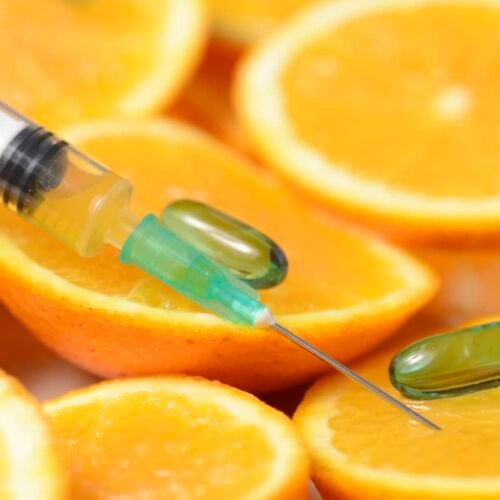
Vitamin injections deliver nutrients straight into the body, bypassing the digestive system so more of each dose is absorbed. Oral supplements work for many people, but absorption can vary based on gut health, age, and certain medications. Direct delivery can be a helpful option for anyone with absorption issues or for those who want a more reliable boost.
If you want a guided plan rather than guessing on your own, the broader wellness and weight loss services our Tampa clinic offers are designed to match the right nutrients to your individual needs. Working with a provider helps ensure your dosing is safe and tailored to your health history, and an in-clinic vitamin injection program can keep your levels steady over time.
Build a Strong Immune System With Immune Support Capsules
With ongoing concern about COVID-19 and seasonal viruses, building a strong immune system matters more than ever. The good news is there is a convenient way to cover your bases.
At ageRejuvenation, we offer Immune Support Capsules. These clear, dye-free supplements contain pharmaceutical-grade vitamins that encourage a strong immune system. Our Immune Support Capsules include all four best vitamins for coronavirus prevention:
Zinc 25 mg
Vitamin C 600 mg
Vitamin D 5000 IU
Methylcobalamin (B12) 1000 mcg
Through this combination, we help patients receive potent immune-boosting support in a single daily capsule. As always, check with your provider before starting any new high-dose supplement to make sure it fits your health needs.
Frequently Asked Questions
What are the best vitamins for immune system support?
The most commonly recommended nutrients for immune health are zinc, vitamin C, vitamin D, and the B vitamins. Together they help protect immune cells, regulate your body's response to pathogens, and provide the energy your body needs to fight off infection. A balanced diet should come first, with supplements filling any gaps.
Can vitamins prevent the coronavirus?
No single vitamin can prevent the coronavirus or any other virus. Vitamins support your immune system so it can respond more effectively, but they are not a cure or a substitute for vaccines, hand-washing, and other proven precautions. Think of good nutrition as one layer of a larger defense plan.
What are signs of a weak immune system?
Common signs include getting sick often, frequent infections that linger, slow wound healing, ongoing fatigue, and digestive trouble. If you notice several of these together, it may be worth talking with a provider about your nutrition, lifestyle, and possible nutrient shortfalls.
How can I boost my immune system quickly?
There is no instant fix, but you can support your immune system fast by prioritizing sleep, staying hydrated, eating colorful fruits and vegetables, managing stress, and getting regular movement. Filling nutrient gaps with the right vitamins can also help your defenses work at their best.
Are vitamin injections better than supplements?
Vitamin injections deliver nutrients directly into the body, which can mean better absorption than pills for some people, especially those with digestive or absorption issues. Oral supplements still work well for many. The best choice depends on your health history, so it helps to ask a provider which option fits you.
Ready to take the next step?
Talk with the AgeRejuvenation team about a Vitamin Injections plan built around your labs and goals.