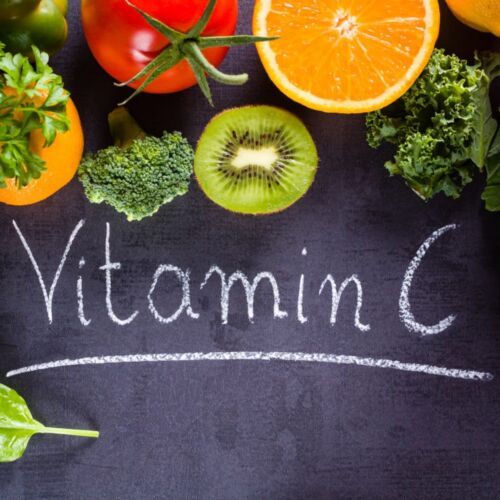
Vitamin C is an essential antioxidant your body cannot make, so daily intake matters. It supports collagen and skin, immune function, energy production, wound healing, and a heart-healthy diet. This guide covers 10 evidence-informed reasons to keep levels up, plus how vitamin injections and IV delivery can boost absorption beyond ordinary pills.
Nature offers few healthy resources as powerful and with as many practical uses as Vitamin C. Also known as ascorbic acid, Vitamin C can be found in foods like citrus fruit, tomatoes, and green vegetables.
Since our bodies are unable to produce this vital nutrient, it is essential that we include it in our diet or supplement it often to live our best lives today, improving areas such as heart health, skin quality, and immune function.
Continue reading to see 10 ways supplementing your body with Vitamin C can boost your well-being.
What does vitamin C actually do in the body?
Vitamin C is a water-soluble nutrient your body needs to build collagen, blood vessels, cartilage, and muscle, and it works as a powerful antioxidant that helps protect cells from damage. Because the body cannot make or store large amounts of it, the Mayo Clinic explains that vitamin C must come from the diet every day, which is why steady intake matters so much.
1. Helps Keep the Body Strong
For starters, Vitamin C has powerful cell-building properties that can do a lot of good to battle the normal wear and tear on our bodies. This vitamin aids in rebuilding cartilage, blood vessels, and muscle, helping us to maintain our best health and continued ability to perform physically.
With the regenerative properties of Vitamin C, we are better able to recover from vigorous exercise or injury.
2. Encourages Healthy Levels of Energy
Vitamin C helps to form carnitine, also known as L-Carnitine, which serves an essential role in the body's energy production. This vital chemical assists in metabolizing fuel to produce energy by moving long-chain fatty acids into mitochondria, thus allowing these fatty acids to be used or burned throughout the body's various functions, literally making carnitine a fat burner.
The body naturally produces some carnitine, but with help from therapies or supplementation, the body can keep steady, optimal energy levels every day. People who feel persistently drained may also want to rule out other causes of low energy, since stubborn tiredness can be a sign of chronic fatigue and other underlying issues that deserve a closer look.
3. Supports Healthy Brain Function
Our brain can think and send signals throughout the body by transmitting messages through a series of electrical impulses. These messages travel by means of neurotransmitters, which Vitamin C helps to create in the brain.
These chemical messages are transferred by the neurotransmitters through synapses and are distributed throughout the body, passing on commands cell-by-cell. Vitamin C ensures that the brain's communication system, our nervous system, functions optimally, which is integral to our overall health and preservation.
Does vitamin C really shorten a cold?
Vitamin C will not stop you from catching a cold, but regular intake may slightly trim how long symptoms last and how severe they feel. Research summarized by the National Institutes of Health notes that routine supplementation produced a modest reduction in cold duration in some studies, with the biggest effects seen in people under heavy physical stress.
4. May Help With the Common Cold
If you have ever seen products like Airborne and Emergen-C in stores, you will notice that they contain high levels of Vitamin C. Touted for its ability to support the immune system, this nutrient is a popular go-to during flu season. A widely cited review on vitamin C and immune function found that the nutrient supports many cellular functions of both the innate and adaptive immune system, which helps explain its long-standing reputation.
Many people take it at the first sign of feeling run down, hoping to ease the days they spend feeling under the weather.
5. Skin Healing
Something that doctors have noticed while inspecting wounds is that the actual site of the wound lacks healthy levels of Vitamin C. In certain laboratory tests, this vitamin has been shown to promote healing by discouraging the damage of free radicals as wounds heal, and potentially decreasing inflammatory responses. Regardless of the exact role it plays in the healing process, we now understand that Vitamin C has a crucial impact in the healing process of everyday wounds.
6. Reduces UV Damage
When we spend too much time in the sun, the damage done to our skin cells by ultraviolet (UV) rays causes the dilation of blood capillaries that we recognize in topical redness. Vitamin C works to lessen these effects by combatting oxidative stress.
Supplementation is helpful as levels can be depleted after extended sun exposure. Applying topical agents that include concentrated doses of Vitamin C, or replenishing levels with vitamin injections that deliver nutrients directly into the body, can help support the skin as it repairs itself after sun damage.
7. Mediates Stress
Our bodies have a natural function that kicks into hyper gear to accomplish a complicated task: stress signals allow the adrenal glands to release cortisol, the quintessential stress hormone that increases heart rate and enhances the body's use of fuel.
While cortisol is a natural chemical produced in our bodies and is beneficial to health in moderate levels, it can have a negative impact on our health in high concentrations, affecting anything from brain to thyroid function.
Vitamin C is concentrated in the adrenal glands, and many people use it as part of a broader plan to support the body during stressful periods.
Why is vitamin C good for skin and wrinkles?
Vitamin C is good for skin because it is a potent antioxidant and a building block for collagen, the protein that keeps skin firm and smooth. Harvard Health notes that vitamin C plays a key role in creating collagen for healthy skin, tendons, ligaments, and blood vessels, which is why it appears in so many anti-aging routines.
8. Supports Firmer Skin
As you will notice in the media, more and more health specialists suggest that limiting sun exposure is one of the best anti-aging tips around.
Why? The sun causes intense damage to our skin cells, and the oxidative stress brought on by free radicals from this damage can rapidly degrade the quality of our skin over time.
While this vitamin does not act like sunscreen to repel the sun's rays, it does help to reduce the amount of oxidative stress done to cells, since it is a powerful antioxidant. What is more, it is used by the body to create collagen for firmer skin.
9. A Nutrient Studied Alongside Medical Treatments
Certain methods of medical treatment work by targeting harmful cells, and some of these therapies can also affect healthy cells in the process. Researchers continue to study how antioxidants like vitamin C interact with these treatments. Because vitamin C can interfere with some medications and therapies, the National Institutes of Health advises talking with your healthcare provider before combining high-dose vitamin C with chemotherapy or other prescriptions.
10. Part of a Heart-Healthy Diet
You might have heard of good and bad cholesterols and how they have various effects on our everyday health. Bad cholesterol, also known as low-density lipoprotein (LDL) cholesterol, is a major risk factor for heart disease.
Diets rich in fruits and vegetables that supply vitamin C are associated with better cardiovascular health, though UCLA Health points out that the protective effect comes mostly from whole foods rather than from high-dose pills alone. Eating a colorful, vitamin-C-rich diet is a simple way to look after your heart for years to come.
Vitamin C Therapy at ageRejuvenation
At ageRejuvenation, our medical professionals offer vitamin injections and IV infusions to optimize the body's performance by providing nutrients in a way that is easily used by the body. If you are weighing your options, our overview of nutrient and IV-based weight loss and wellness services walks through how supervised delivery fits into a broader plan.
These methods of delivery skip the traditional pill digestion, circumventing the digestive tract and supporting higher absorption, thus delivering more nutritional support where it is needed most. For people focused on energy, skin, and recovery, a tailored vitamin injection plan can be a convenient way to keep levels topped up.
Frequently Asked Questions
What are the main benefits of vitamin C?
Vitamin C supports collagen production for skin and connective tissue, acts as an antioxidant that protects cells from free-radical damage, aids iron absorption, and supports normal immune function. Because the body cannot make it, getting enough through diet or supervised supplementation helps these systems run smoothly.
Can vitamin C prevent the common cold?
No. Vitamin C does not prevent colds for most people. Research suggests that regular intake may slightly reduce how long a cold lasts and how severe symptoms feel, with the clearest benefit in people under intense physical stress. It is best viewed as immune support rather than a cure.
How much vitamin C do I need each day?
The recommended daily amount is about 90 milligrams for adult men and 75 milligrams for adult women, and smokers need roughly 35 milligrams more. Most people meet this through a diet rich in citrus, peppers, broccoli, and leafy greens. Talk with a provider before taking high doses.
Are vitamin C injections better than pills?
Injections and IV delivery bypass the digestive tract, which can allow more of the nutrient to reach the bloodstream than some oral supplements. This can be helpful for people with absorption issues or higher needs. A medical provider can advise whether injectable delivery is appropriate for your goals.
Can you take too much vitamin C?
Yes. Very high doses, generally above 2,000 milligrams a day, can cause digestive upset, diarrhea, and in some people kidney stones. High intake can also interact with certain medications and lab tests, so check with your healthcare provider before starting a high-dose routine.
Ready to take the next step?
Talk with the AgeRejuvenation team about a Vitamin Injections plan built around your labs and goals.