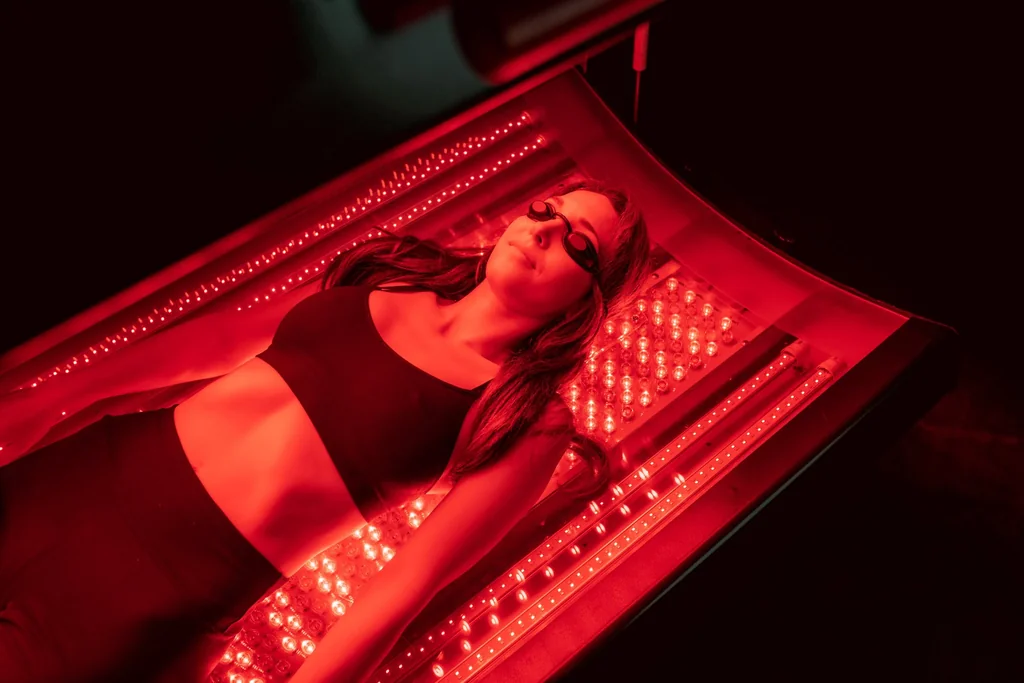
Fatigue that sleep does not fix and brain fog that coffee does not clear are rarely a matter of willpower. They are often cellular problems rooted in low energy production and chronic inflammation, and they respond to cellular solutions. BAHI therapy sequences vibration, red light, and molecular hydrogen into a single non-invasive protocol designed to wake up circulation, support ATP production, and calm the inflammatory burden that drains your day.
Low energy and brain fog often trace back to cellular inflammation, not willpower. This guide explains what BAHI therapy is, how its three-step protocol works, who it suits, the benefits and limits you should expect, how it compares to single modalities, and what a session looks like. The goal is a clear, accurate picture so you can decide whether cellular wellness support fits your plan.
BAHI therapy, also known as Blood Antioxidant Healing Inflammation therapy, is an integrative three-step wellness protocol available at AgeRejuvenation. It combines Sonix vibration therapy, red-light therapy, and molecular hydrogen inhalation in a specific sequence designed to increase cellular energy production (ATP), reduce systemic inflammation, and support the body's natural antioxidant pathways, all without medications or injections.
What Is BAHI Therapy?
Answer: BAHI therapy (Blood Antioxidant Healing Inflammation therapy) is a non-invasive, three-step wellness protocol that sequences Sonix vibration therapy, red-light therapy combined with molecular hydrogen inhalation, and a dedicated molecular hydrogen device session to increase cellular ATP production, support red blood cell membrane function, neutralize free radicals, and reduce inflammatory burden.
The protocol is sequential by design. Step one, Sonix vibration, physically stimulates red blood cell membranes, increasing their surface exposure for the therapeutic steps that follow. Step two combines red-light therapy with molecular hydrogen inhalation. Step three completes the hydrogen inhalation cycle using a dedicated molecular hydrogen device. Each step is meant to prepare the body for the next, which is why the order matters.
How Does the Three-Step BAHI Protocol Work?
Answer: The three-step BAHI protocol works by stacking complementary mechanisms: vibration expands red blood cell surface area, red light drives mitochondrial ATP production, and molecular hydrogen neutralizes the most damaging free radicals, so circulation, cellular energy, and oxidative balance are all addressed in one session.
Red-light therapy penetrates tissue and stimulates mitochondrial cytochrome c oxidase, a step in how red-light therapy supports mitochondrial energy production. Molecular hydrogen acts as a selective antioxidant, a property described in research on molecular hydrogen as a selective antioxidant reviewed by the National Library of Medicine, neutralizing the most reactive free radicals without disrupting beneficial oxidative signaling. The rationale is that impaired mitochondrial function and chronic inflammation are bidirectionally linked, and the BAHI sequence interrupts that cycle from several angles at once.
Who Is a Good Candidate for BAHI Therapy?
Answer: Good candidates for BAHI therapy are adults with persistent fatigue, brain fog, weakened immunity, inflammation, or reduced vitality who want non-pharmaceutical cellular support, and who have discussed any underlying medical conditions with a provider first.
BAHI is a wellness protocol, not a treatment for a specific diagnosed disease, so the right starting point is a conversation about your goals and history. Patients with certain medical conditions, or who are pregnant, may need a modified plan or may not be suitable candidates. Our team reviews relevant considerations during your initial assessment so the protocol fits your situation rather than a one-size template.
What Signs Suggest You May Benefit From BAHI Therapy?
Answer: Common signs that BAHI therapy may help include exhaustion that rest does not fix, mental cloudiness, frequent minor illnesses, slow recovery from exertion, and a general sense of physical decline, all of which can trace back to cellular inflammation and reduced energy output.
People who pursue BAHI often share a common thread: their symptoms point to impaired mitochondrial output rather than a single organ problem. Chronic fatigue, for example, causes persistent exhaustion that does not respond to sleep, and it is frequently tied to the same inflammatory burden that BAHI is designed to lower. If your fatigue and fog persist despite good sleep, hydration, and routine bloodwork, a cellular support protocol may be a reasonable next step to discuss.
What Conditions and Concerns Does BAHI Therapy Support?
Answer: BAHI therapy supports energy, cognitive, immune, and recovery concerns linked to cellular inflammation, including chronic fatigue, brain fog, weakened immune function, and stress-related physical recovery.
Chronic fatigue is the most common reason patients seek BAHI, because the protocol targets ATP production and the inflammatory load that suppresses cellular energy. Brain fog and difficulty concentrating are often tied to neuroinflammation and oxidative stress, which molecular hydrogen's selective free-radical neutralization may help reduce. Chronic inflammation can also suppress normal immune activity, so lowering oxidative and inflammatory burden creates a more favorable cellular environment. For stress and physical recovery, the combination of red-light and hydrogen therapies supports antioxidant clearance after demanding activity.
What Are the Benefits of BAHI Therapy?
Answer: The main benefits of BAHI therapy are increased cellular energy, reduced oxidative and inflammatory burden, and three evidence-supported modalities delivered in one non-invasive session with no downtime, so patients get a compounded effect without separate appointments.
The value of BAHI is in the sequencing. Individually, vibration, red light, and hydrogen therapies each have standalone support in the literature. Delivered in order, each step is intended to prepare the body for the next, so the combined session aims for more than any single modality alone. Because the protocol is non-invasive, there are no needles, no medications, and no recovery period, and patients resume normal activity immediately. BAHI also stacks naturally with IV therapy, NAD+ protocols, and hormone optimization, since a calmer cellular environment can improve the response to other care.
What Are the Side Effects and Risks of BAHI Therapy?
Answer: BAHI therapy is generally well tolerated because it is non-invasive and drug-free, but no protocol is risk-free; possible considerations include mild lightheadedness, eye sensitivity to bright light, and the need for caution in pregnancy or with certain medical conditions, which is why a provider assessment comes first.
Red-light devices use specific wavelengths and require eye protection or proper positioning, and molecular hydrogen inhalation is delivered at low, controlled concentrations. As a wellness service, BAHI is not a substitute for diagnosis or treatment of a medical condition, and it should complement, not replace, care you receive for any diagnosed illness. If you have an implanted device, are pregnant, or have a significant chronic condition, raise it during your assessment so the team can adjust or decline the protocol as appropriate.
How Does BAHI Therapy Compare to Single Modalities?
Answer: BAHI therapy differs from standalone vibration, red-light, or hydrogen sessions by combining all three in a fixed sequence within one appointment, so the steps are intended to build on each other rather than being delivered in isolation.
The table below outlines what each component contributes and how the combined protocol is positioned.
| Approach | Primary mechanism | Session structure | Often suits |
|---|---|---|---|
| Sonix vibration alone | Increases red blood cell membrane surface area and stimulates circulation | Single modality | Those focused on circulation and warm-up |
| Red-light therapy alone | Stimulates mitochondrial ATP production via photobiomodulation | Single modality | Those targeting cellular energy or recovery |
| Molecular hydrogen alone | Selectively neutralizes the most reactive free radicals | Single modality | Those focused on oxidative stress |
| BAHI three-step protocol | Stacks all three in sequence so each step prepares the next | Three steps, one session | Those wanting combined cellular support efficiently |
No single modality is universally better; the BAHI protocol is built for patients who want the compounded effect of all three without booking three separate appointments. The right approach depends on your goals, schedule, and how your body responds over time.
What Should I Expect During a BAHI Therapy Session?
Answer: A BAHI therapy session typically takes 30 to 60 minutes and moves through the three steps in order, with no needles, no medication, and no downtime, so most patients return to normal activity right away.
You begin with the Sonix vibration step, move to combined red-light and molecular hydrogen inhalation, and finish with a dedicated hydrogen device session. The protocol is completed in a single in-clinic visit. Most patients report that improvements in energy and clarity build over a few weeks of regular sessions rather than after a single visit, and individual results vary with health status and goals.
How Much Does BAHI Therapy Cost and Is It Covered?
Answer: BAHI therapy is a wellness service and is typically self-pay because it falls outside standard insurance coverage, so cost depends on session frequency and any package structure rather than a billing code.
Because plans are individual, our team reviews pricing clearly before your first session so there are no surprises. The goal is a schedule you can sustain, since cellular support is maintained over time rather than achieved in a single appointment.
Why Choose AgeRejuvenation for BAHI Therapy?
Answer: AgeRejuvenation delivers BAHI therapy inside a broader, provider-led wellness framework rather than as a standalone gadget, coordinating the protocol with your overall plan so each component supports the others.
Our team includes providers with training in functional and regenerative medicine who understand how cellular inflammation affects your broader goals. BAHI therapy is one part of our wellness and longevity program at AgeRejuvenation, which also covers IV therapy, NAD+ therapy, red-light therapy, hydrogen therapy, peptide protocols, and regenerative medicine. Whether you pursue BAHI as a standalone energy-boost session or as part of a coordinated plan, the aim is to build cellular resilience from multiple angles.
Explore more in our wellness center services .