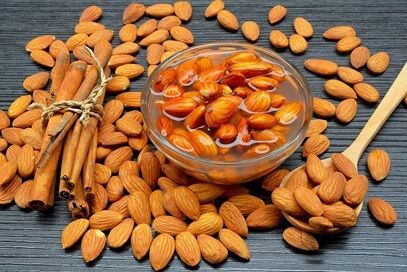
Soaking nuts and seeds softens their texture, eases digestion, and lowers phytic acid so your body can absorb more minerals. Cover raw nuts in warm, lightly salted water for two to eight hours based on size, then eat fresh or dry on low heat. Almonds, walnuts, flax, sunflower, and pumpkin seeds are great starters for a crunchier, gentler snack.
Almost all nuts and seeds are packed with protein, fiber, and healthy fats. Swapping a less nourishing snack like chips, sweets, or soda for a handful of seeds or nuts can be a simple upgrade for your daily eating. The catch is that many people find raw nuts dry, gritty, or a little hard on the stomach. Soaking is a time-tested fix that makes them easier to enjoy and easier to digest. Below, we walk through why soaking helps, how to do it at home, and which nuts and seeds respond best.
What does soaking nuts and seeds actually do?
Soaking softens the skins and kicks off the early stages of the sprouting process. This pre-digestion step makes the protein and minerals more available to your body and can make the nuts taste milder and creamier. Raw nuts and seeds carry natural compounds, including phytic acid and enzyme inhibitors, that the plant uses to stay dormant until conditions are right for growth. A simple soak in warm, lightly salted water helps loosen those compounds so your digestive system has less work to do.
Phytic acid is the most discussed of these. It is sometimes called an anti-nutrient because it can bind minerals like iron, zinc, and calcium, which may reduce how much your body absorbs. Research on grains, legumes, and seeds shows that soaking and sprouting can meaningfully lower phytic acid content and improve mineral availability. If you want a personalized plan around how foods like nuts and seeds fit your goals, our registered approach to one-on-one nutritional counseling can help you build habits that stick.
Does soaking nuts improve digestion?
For many people, yes. Soaking begins breaking down the enzyme inhibitors and tough fibers that can leave raw nuts sitting heavy in the gut. The result is often a gentler experience with less bloating and a smoother texture. People who are sensitive to fiber-dense or fatty foods sometimes find soaked nuts far more comfortable than raw ones.
That said, the science is still developing. A peer-reviewed review noted that while popular claims about soaking improving nutrient absorption are widespread, controlled studies on nuts specifically remain limited. The evidence is stronger for grains and legumes than for nuts. So treat soaking as a helpful, low-risk practice rather than a guaranteed cure. If ongoing bloating or discomfort is your bigger concern, that may point to broader digestive issues worth addressing with a clinician, especially when gut inflammation is in the picture.
How do you soak nuts and seeds at home?
Use a glass container and cover your raw nuts or seeds with warm, lightly salted water by at least an inch. Let them sit for several hours or overnight, depending on size. You can eat them right away or dry them out for later. The salt helps activate enzymes that neutralize the inhibitors, an idea drawn from traditional food preparation. Here is a simple routine to follow:
Add raw nuts or seeds to a clean glass jar or bowl.
Cover with warm water and a pinch of sea salt, at least one inch above the nuts.
Soak almonds, pistachios, and hazelnuts longer, often around eight hours or overnight.
Soak softer, oilier nuts like cashews and walnuts for a shorter window, often two to four hours.
Drain and rinse, then eat fresh or dry low and slow.
When soaking almonds, change the water partway through and discard the old soak water, since it holds the enzyme inhibitors you are trying to remove. If you choose to dry your soaked nuts, keep the heat low. A warm oven or dehydrator works, but high heat can roast the nut and turn the fats rancid, which undoes much of the benefit.
Which nuts and seeds are best to soak first?
Good beginner choices include flax seeds, almonds, walnuts, sunflower seeds, and pumpkin seeds. These are widely available and respond well to a basic overnight soak. Expect a little trial and error as you learn your preferred soak time and texture. A few practical notes:
Almonds, pistachios, and hazelnuts are firmer and benefit from a longer soak.
Pecans, walnuts, and Brazil nuts are oilier and swell quickly, so they need less time.
Cashews, macadamias, and pine nuts have the highest fat content and only need a couple of hours.
This makes a great recipe to prepare over the holidays. You can soak a big batch, dry them, and set out a bowl for everyone to enjoy a crunchier, more digestible snack.
Are nuts and seeds good for long-term health?
Whole nuts and seeds are a staple of heart-healthy and longevity-minded eating. They deliver unsaturated fats, plant protein, and fiber that support steady energy and fullness. Major health bodies, including the American Heart Association, encourage nuts as part of a balanced diet when eaten in sensible portions. Mayo Clinic likewise notes that nuts can support heart health through their healthy fats and nutrients.
Nuts and seeds are also a rich source of magnesium, a mineral involved in hundreds of body processes, from energy production to muscle and nerve function. The NIH highlights nuts and seeds as leading dietary sources of magnesium. Building these foods into your routine is one small piece of a larger wellness picture, and our broader wellness center programs can help you connect nutrition with energy, recovery, and healthy aging.
Frequently Asked Questions
Do you really need to soak nuts and seeds?
Soaking is optional but helpful for many people. It softens texture, can ease digestion, and reduces phytic acid that may limit mineral absorption. If raw nuts feel heavy or gritty to you, soaking is an easy, low-cost way to make them more pleasant and possibly gentler on your gut. It is a preference and comfort tool, not a strict requirement.
How long should you soak nuts?
Soak time depends on the nut. Firmer nuts like almonds, pistachios, and hazelnuts often need about eight hours or overnight. Oilier nuts such as walnuts and pecans need less, and high-fat nuts like cashews and macadamias only need two to four hours. Cover with warm, lightly salted water and adjust based on the texture you prefer.
Does soaking nuts remove phytic acid?
Soaking can reduce phytic acid, though it does not remove it entirely. Phytic acid can bind minerals and lower their absorption, so reducing it may help your body access more iron, zinc, and calcium. The effect is most documented for grains and legumes, with soaking and sprouting shown to lower phytic acid and improve mineral availability over time.
Which nuts should not be soaked?
Most nuts can be soaked, but very oily nuts spoil faster once wet, so they need shorter soaks and prompt drying or refrigeration. If you do not plan to eat soaked nuts quickly, soak smaller batches to avoid waste. When in doubt, soak briefly, rinse well, and store any leftovers in the fridge to keep the fats fresh.
Can you eat soaked nuts without drying them?
Yes. You can eat soaked nuts right after draining and rinsing them. Many people enjoy the softer, creamier bite. If you prefer crunch or want to store them longer, dry them on low heat in an oven or dehydrator. Keep the temperature gentle, since high heat can spoil the healthy fats and reduce the benefits.
Ready to take the next step?
Talk with the AgeRejuvenation team about a Nutritional Counseling plan built around your labs and goals.