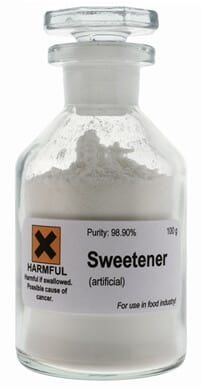
Neither artificial sweeteners nor sugar is truly better; you are choosing between two imperfect options. Sugar spikes blood glucose and appetite, while artificial sweeteners are highly processed, may boost sweet cravings, and provide no nutrition. The smartest move is reducing overall sweetness with whole foods and professional guidance rather than swapping one for the other.
It can get frustrating hearing so many contradicting messages about which foods are good and which are bad. A product can be marketed as super healthy when it is actually loaded with artificial sweeteners. That is just the way marketing works, and your own education is the key to seeing past the hype. Staying in contact with health professionals helps keep you informed and on track. The goal of this article is to clear up some common misconceptions about non-caloric artificial sweeteners and help you make a smarter choice.
Are Artificial Sweeteners Better Than Sugar?
Neither one is truly a winner. Both refined sugar and artificial sweeteners carry real downsides, so the honest answer is that you are choosing between two imperfect options. The better goal is to reduce your overall reliance on intense sweetness rather than swapping one problem for another.
Artificial sweeteners do save calories and will not spike your blood sugar the way table sugar does, which is why people managing diabetes sometimes use them. But "fewer calories" does not automatically mean "healthy." Many of these products are highly processed and offer zero nutritional value, and several major medical centers note that they may simply train your taste buds to crave more sweetness. Real change usually comes from cutting back on sweet flavors overall, not from finding the perfect substitute.
What Are the Common Artificial Sweeteners and Sugars?
Some of the popular artificial sweeteners on the market today include Splenda (sucralose), NutraSweet (aspartame), Neotame, saccharin, and acesulfame potassium. Then there are the many forms of actual sugar such as high fructose corn syrup, dextrose, maltose, maltodextrin, sucrose, and glucose. These are found in abundance in almost all diet drinks, lite yogurts, ice creams, low carb products, and just about every reduced sugar product.
Just look at the ingredient list of some products in your home and you will probably see one or more of these names. Splenda is one of the most heavily marketed because it is sold as healthy and described as being made from real sugar, when in fact it is still a manufactured substance. The U.S. Food and Drug Administration has reviewed and approved sweeteners like sucralose and aspartame as food additives, but approved does not mean nutritious. Mayo Clinic points out that whole foods are usually the healthiest choice, even though these substitutes are generally considered safe in normal amounts, as Mayo Clinic explains in its overview of sugar substitutes.
Does Sugar Spike Blood Sugar and Cause Weight Gain?
Yes. The problem with sugar and corn syrups, dextrose, and fructose is that they deliver a flood of empty calories and quickly raise blood sugar. That rise triggers an insulin surge, and over time repeated surges can promote fat storage and drive further appetite.
Think about it: the more sugar you have, the more you tend to want. Sugar stimulates appetite, so each sweet snack can set up the next one. Excess added sugar is also strongly linked to weight gain, inflammation, and a higher risk of type 2 diabetes, which is why the American Heart Association recommends strict daily limits on added sugars. These ups and downs are part of why working with a clinician on personalized nutritional counseling for steadier blood sugar can make a real difference for energy and weight.
Do Artificial Sweeteners Actually Help You Eat Less?
Not necessarily. Artificial sweeteners may save calories at the moment, but research strongly suggests they can increase your craving for something sweet later, leading you to eat more during the rest of the day. The intense sweetness can keep your palate hooked even without the sugar.
There are bigger-picture concerns too. The World Health Organization has advised that non-sugar sweeteners should not be used as a tool for long-term weight control, because the evidence does not show a lasting benefit. Cleveland Clinic has likewise reported that artificial sweeteners can be habit forming and may not help with weight the way many people assume, as covered in this Cleveland Clinic comparison of sugar and sweeteners. So the calorie savings on paper do not always translate into eating less overall.
How Do These Choices Affect Insulin and Metabolism?
Repeated blood sugar spikes from refined sugar force your body to release more and more insulin. Over years, cells can become less responsive to that insulin, a pattern that contributes to insulin resistance and stubborn weight gain. This is one of the quiet drivers behind midlife metabolic struggles.
Artificial sweeteners are not a clean escape hatch either. Emerging research summarized by the National Institutes of Health suggests that some artificial sweeteners may affect gut bacteria and glucose handling, which can influence metabolism in ways scientists are still studying. Supporting your metabolism is rarely about a single ingredient. It is about your whole pattern of eating, which is exactly where the broader services of a wellness center focused on long-term metabolic health can help you build a sustainable plan.
What Should You Choose Instead?
The smartest move is to dial down sweetness across the board rather than hunting for the "good" sweetener. Whole foods, more protein and fiber, and fewer ultra-processed products do more for your metabolism than any substitute. Harvard Health notes that leaning on intensely sweet substitutes can keep your sweet tooth in charge, as discussed in this Harvard Health look at the cost of going sugar free.
Our bodies were not designed to take in large amounts of these manufactured chemicals, yet many of us do exactly that every day. Small, steady changes, guided by a professional who knows your numbers, beat any quick fix. A future article will suggest some genuinely healthy alternatives to artificial sweeteners.
Frequently Asked Questions
Which is worse, sugar or artificial sweeteners?
There is no clear winner. Sugar spikes blood sugar and adds empty calories, while artificial sweeteners are highly processed, may increase sweet cravings, and offer no nutrition. The healthiest path is to reduce both and focus on whole foods rather than treating either one as a safe choice.
Do artificial sweeteners raise blood sugar?
Most artificial sweeteners do not directly raise blood sugar the way table sugar does, which is why they are sometimes used by people with diabetes. However, some studies suggest they may still affect gut bacteria and glucose handling over time, so they are not automatically a free pass for metabolic health.
Are artificial sweeteners safe to consume?
Regulators including the FDA consider approved sweeteners like sucralose and aspartame safe in typical amounts, and Mayo Clinic agrees they are generally safe for most people. Safe is not the same as nutritious, though, and whole foods remain the better long-term choice for most people.
Can artificial sweeteners cause weight gain?
They will not add calories on their own, but they may not help you lose weight either. Research suggests intense sweetness can increase later cravings, and the World Health Organization advises against using non-sugar sweeteners as a long-term weight control strategy.
How can I cut back on sugar without using sweeteners?
Start by reducing overall sweetness rather than swapping in substitutes. Choose whole foods, add protein and fiber, read ingredient labels, and lower sweet drinks gradually so your taste buds reset. Personalized guidance from a nutrition professional makes these changes easier to sustain.
Ready to take the next step?
Talk with the AgeRejuvenation team about a Nutritional Counseling plan built around your labs and goals.