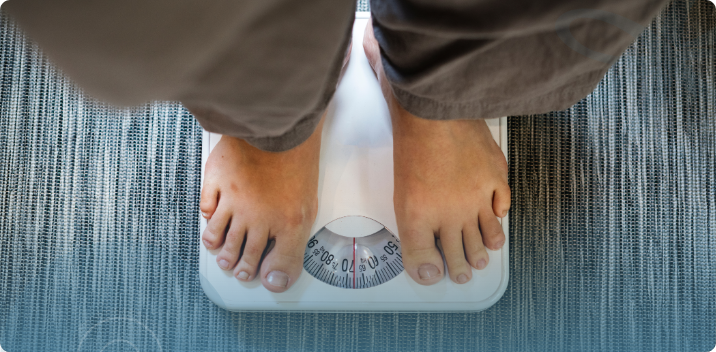
Menopause weight gain is driven by falling estrogen, muscle loss, and a slower metabolism, so fat shifts to the belly. The fix stacks several moves: strength training to protect muscle, blood-sugar-friendly Mediterranean-style eating, better sleep and stress control, and, when needed, physician-supervised medical weight loss tools paired with hormone support for steady, lasting results.
Finding a realistic belly fat menopause fix can feel impossible when your habits have not changed, but your waistline has. Many women notice persistent pounds, especially around the midsection, right as hot flashes, night sweats, and mood swings show up.
This is not just a cosmetic issue. The Mayo Clinic notes that extra belly fat, especially the deep visceral fat around your organs, raises the risk of heart disease, high blood sugar, and type 2 diabetes.
At AgeRejuvenation, weight and hormone health are treated together, not in separate boxes. Menopause symptoms affect metabolism, sleep, appetite, and energy, so the goal is to address the full picture rather than chase one number on the scale.
Why Does Menopause Cause Belly Fat and Weight Gain?
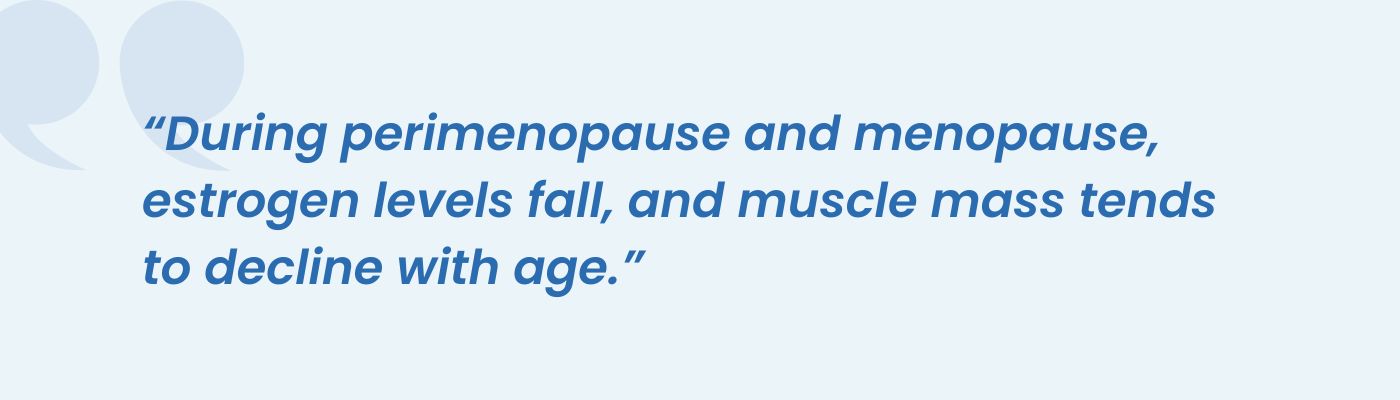
Menopause shifts where your body stores fat and how fast it burns calories. As estrogen falls and muscle naturally declines with age, fat tends to settle around the abdomen instead of the hips and thighs, while resting metabolism slows. The result is a wider waist even when the scale barely moves.
UChicago Medicine explains that during this transition, muscle tone lost from reduced hormone production is often replaced by fatty tissue deposits. Lifestyle factors matter too. Many women move less, sleep less, and snack more as stress builds, which also contributes to stubborn midlife weight gain in women.
Research shows there is no magic hormone that erases weight gain by itself. Hormone replacement therapy is mainly used to ease hot flashes, night sweats, and vaginal dryness. It may help redistribute some fat away from the midsection and improve sleep, but experts still point to healthy eating and movement as the main tools for weight control around the menopause transition.
When menopause symptoms such as mood swings and poor sleep are under better control, it becomes much easier to follow a plan for managing menopausal weight in a steady way. A coordinated doctor-supervised weight loss program for midlife women treats both pieces at once.
Strategy 1: Move In Ways That Protect Muscle And Joints
Strength Training as Your Foundation
Any serious treatment for belly fat menopause needs to protect muscle. As muscle mass goes down with age, metabolism slows, so strength training helps reverse that pattern. Harvard Health points to building and maintaining muscle mass as one of the best ways to fend off a menopause belly. The result is a body that burns more calories even at rest.
Aim for at least two sessions a week that cover major muscle groups. Simple, joint-friendly moves work well, such as:
Squats or sit-to-stands from a chair.
Rows with bands or light weights.
Wall push-ups or countertop push-ups.
The goal is not to lift the heaviest weight in the room but to challenge your muscles enough that they stay active and strong.
Every Day Movement Still Counts
Cardio is still important for heart health and for managing menopausal weight. The CDC recommends that adults get at least 150 minutes of moderate activity each week, like brisk walking, plus muscle-strengthening on two days. That can be as simple as a 30-minute walk most days, broken into shorter chunks if needed.
Small choices add up. Parking farther away, taking the stairs when you can, gardening, or dancing in your living room all count. The more you move during the day, the less likely extra calories are to settle around your waist.
Sleep and Stress as Silent Weight Factors
Stress and poor sleep can push the body to store more fat in the abdominal area. High cortisol levels from chronic stress and repeated nights of short sleep are both linked to increased appetite and cravings for high-sugar foods.
Simple routines can help:
A regular bedtime and wake time.
A short wind-down ritual without screens.
Gentle stretching, breathing exercises, or a brief walk after dinner.
These habits are not just nice to have. They support hormone balance and make every other strategy more effective.
Strategy 2: Eat for Blood Sugar Control, Not Crash Diets
As metabolism slows with age, many women need fewer calories to maintain their weight. The answer is not a severe diet but a way of eating that keeps blood sugar steady and leaves you satisfied.
A practical approach often includes:
Plenty of vegetables and fiber-rich foods at most meals.
Lean protein such as eggs, fish, poultry, tofu, or beans.
Healthy fats from olive oil, nuts, seeds, and avocado.
Fewer sugary drinks, desserts, and highly processed snacks.
This style is similar to a plant-forward Mediterranean way of eating, which the American Heart Association links to better heart and metabolic health in midlife and beyond.
Addressing menopausal belly fat effectively nearly always begins with dietary changes. It is easier to adjust portions, trade refined carbs for whole grains, and cut back on alcohol than it is to add hours of intense exercise every week.
How Nutritional Counseling Supports You
Changing how you eat is simple on paper and hard in real life. That is why AgeRejuvenation builds personalized nutrition guidance into its integrative model. Sessions include a review of your current habits, advanced lab testing when needed, and a personalized plan that takes hormone balance, gut health, and daily routines into account.
This kind of one-to-one support is especially helpful during menopause, when old rules stop working. Instead of guessing, you learn exactly which adjustments give you more stable energy and better control over your appetite.

Strategy 3: Use Medical Weight Loss Tools Wisely
For some women, lifestyle changes alone are not enough to manage midlife weight. Underlying issues such as insulin resistance, gut inflammation, and hormone imbalance can keep the body stuck in storage mode. A structured plan is designed to look for these root causes and treat them directly.
When extra support is appropriate, a physician-guided medical weight loss plan for menopausal women may include medications like semaglutide or tirzepatide, used under medical supervision. These injectable treatments are in the GLP-1 or GLP-1 plus GIP family. They help:
Reduce hunger and cravings.
Slow digestion so you feel full with smaller portions.
Improve blood sugar control in people with insulin resistance or prediabetes.
At AgeRejuvenation, these medications are never used in isolation. They are combined with nutritional counseling, movement guidance, and hormone optimization when needed, so they support a full plan instead of acting as a quick fix. You can explore the clinic's broader range of weight loss services for midlife and beyond to see how these tools fit together.
Hormone therapy can also be part of this picture. While hormone replacement is not a primary weight loss treatment, restoring estrogen, progesterone, and testosterone through options like bioidentical hormone therapy and pellet therapy can improve sleep, mood, and motivation. That makes the work of managing menopausal weight more realistic for many women.
What Foods Should You Avoid for Menopause Belly Fat?
Focus on cutting back rather than banning everything. Sugary drinks, refined carbs like white bread, alcohol, and heavily processed snacks spike blood sugar and tend to add belly fat. Replacing them with protein, fiber, and healthy fats keeps you full longer and supports steadier energy through the day.
Alcohol deserves special attention because it adds empty calories and can disrupt sleep, which already runs short during menopause. Even modest cuts to wine or cocktails often free up the calorie budget that lets the rest of your plan work.
How Long Does It Take to Lose Menopausal Belly Fat?
There is no fixed timeline, but slow and steady wins. Most experts suggest aiming for gradual, sustainable loss rather than rapid drops that rebound. With consistent strength training, blood-sugar-friendly eating, and good sleep, many women see meaningful change over several months instead of weeks.
The deeper benefit is health, not just the scale. As visceral fat shrinks, blood pressure, blood sugar, and cholesterol often improve too, which is the real reason to stick with the plan.
Conclusion
There is no single shortcut that erases weight gain during menopause, but you can build a solid belly fat menopause fix by stacking the right pieces. Understanding how your hormones and metabolism have changed, moving in ways that protect muscle, eating for steady blood sugar, and using medical tools wisely all work together to protect your long-term health.
If you feel like you are doing everything you can and still not getting anywhere, you do not have to figure it out alone. The team can review your hormones, metabolism, and lifestyle, then design a plan that fits your real life. With the right support, managing menopausal weight becomes a step-by-step process, not a constant fight with the scale.
Frequently Asked Questions
Does hormone replacement therapy help with menopause weight gain?
Hormone replacement therapy is approved mainly to ease hot flashes, night sweats, and vaginal dryness, not to drive weight loss. The National Institute on Aging describes menopause as a normal hormonal transition, and balancing those hormones can improve sleep, mood, and fat distribution. That support makes healthy eating and exercise easier to sustain.
What is the best exercise to lose belly fat after 50?
A combination works best. Strength training two or more times a week protects the muscle that keeps your metabolism active, while regular walking or other moderate cardio burns calories and supports heart health. Adding short bursts of higher intensity, when your joints allow it, can further help target stubborn abdominal fat.
Why is menopause belly fat so hard to lose?
Falling estrogen, age-related muscle loss, slower metabolism, poor sleep, and higher stress hormones all push fat toward the abdomen at the same time. Because several factors stack together, no single change fixes it. A plan that addresses hormones, food, movement, and sleep together tends to work far better than any one tactic alone.
Can I lose menopause weight without medication?
Yes, many women succeed with lifestyle changes alone. Strength training, a Mediterranean-style eating pattern, better sleep, and stress management can meaningfully shrink belly fat over time. Medications like semaglutide or tirzepatide are reserved for cases where root causes like insulin resistance keep the body stuck despite consistent effort.
How does stress affect weight during menopause?
Chronic stress raises cortisol, which encourages the body to store fat in the abdomen and increases cravings for high-sugar foods. Poor sleep, common during menopause, makes this worse by disrupting appetite hormones. Simple habits like a steady bedtime, screen-free wind-downs, and gentle evening movement help calm this cycle.
Ready to take the next step?
Talk with the AgeRejuvenation team about a Medical Weight Loss plan built around your labs and goals.