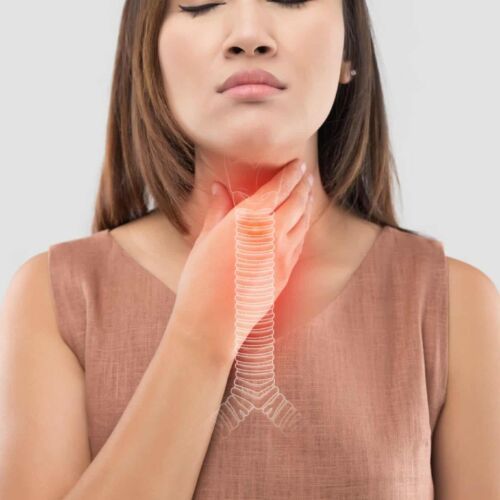
Leaky gut and thyroid disease feed each other through a shared immune system and mineral absorption, the gut-thyroid axis. Low thyroid hormone weakens the gut barrier, and gut inflammation suppresses thyroid function and fuels Hashimoto's. Removing trigger foods like gluten, healing the gut lining, and balancing T4 and T3 can break the cycle and help you feel better.
What is a leaky gut?
A leaky gut means the lining of your intestines has become too permeable, so it lets particles slip into the bloodstream that should have stayed inside the digestive tract. When your intestines are healthy, they act as both a barrier and a filter. They are supposed to let nutrients be absorbed in the gut while blocking toxins that may be circulating in the body.
When that barrier is not working properly, the body can absorb toxic substances into the bloodstream, which may trigger inflammation as your immune system tries to attack these foreign invaders. Factors that may cause this intestinal permeability include food sensitivities, stress, and nutrient deficiencies. The medical community sometimes calls this increased intestinal permeability, and clinicians at Cleveland Clinic note that it is linked to inflammation and immune activation throughout the body. Patients may experience symptoms such as chronic inflammation, joint pain, foggy thinking, or bowel disease.
How are the gut and thyroid connected?
The gut and thyroid are connected through your immune system and your ability to absorb key minerals, which is why researchers call this two-way relationship the gut-thyroid axis. There is a strong correlation between thyroid and gut health. Studies have shown that low thyroid hormones can lead to leaky gut, and poor gut health can suppress thyroid function. Optimal digestion actually helps to tame the antibodies associated with autoimmune conditions such as Hashimoto's and Graves.
This link is not just about inflammation. Your gut bacteria help convert and regulate thyroid hormone, and they influence how well you absorb the minerals the thyroid depends on, including iodine, selenium, zinc, and iron, according to a National Institutes of Health review of the thyroid-gut axis. When the gut barrier breaks down, that same inflammation can interfere with thyroid hormone production. A 2024 review in Frontiers in Cellular and Infection Microbiology found that the immune activation tied to a leaky gut can affect both the production and the regulation of thyroid hormones. If you suspect your thyroid is part of the picture, our team can help you sort out the underlying signs and stages of thyroid dysfunction before symptoms snowball.
What is Hashimoto's thyroiditis?
Hashimoto's thyroiditis is an autoimmune disease in which the immune system attacks the thyroid gland, and it is one of the most common autoimmune conditions worldwide. Over time this attack damages the gland and can lead to an underactive thyroid. Women often experience Hashimoto's more frequently than men, though both may complain of symptoms such as unexplained weight gain, fatigue, or hair loss.
According to Mayo Clinic, Hashimoto's disease occurs when the immune system targets thyroid cells and is most common in middle-aged women. The gut connection is striking here. Studies have shown the prevalence of autoimmune thyroid disease in patients with celiac disease was about four times higher than in the general population. In a study of Dutch patients, researchers found that of 184 patients with celiac disease, 21 percent were positive for a thyroid disorder. That overlap is one reason a structured approach to restoring healthy thyroid function often starts in the gut.
What can you do to heal a leaky gut?
The most effective first step is changing your diet, because the gut lining can often repair itself once you remove the foods that keep it inflamed. Studies have clearly shown the link between Hashimoto's and gluten intolerance. Research published in the Journal of Digestive Diseases and Sciences found that in patients with celiac disease, intestinal permeability returned to normal in 87 percent of people who followed a gluten-free diet for over a year. Improving your diet and being conscious of what foods you are consuming can help treat your leaky gut.
Eating processed foods, too much sugar, and foods you are sensitive to can worsen your leaky gut. By eliminating these products, as well as gluten, you can help reduce inflammation in the body and allow the gut to heal.
Eliminate known foods that cause sensitivities or intolerances, and stay away from pesticides and processed vegetable oils. Typical problem foods you may want to eliminate include:
Wheat
Dairy
Eggs
Nuts
Soy
Alcohol
Caffeine
Which foods help heal the gut lining?
While you eliminate problem foods, you should also be adding foods that support the gut lining. Focus on fibrous fruits, veggies, and beans to help enhance butyrate production, a compound that feeds your gut cells.
Foods high in omega-3s can help reduce inflammation in your intestinal cells, and consuming bone broth can help the cells stay strong. Foods to focus on should include:
Unprocessed meat and seafood
Healthy fats from coconut oil, high omega-3 foods, olive oil, and avocado
Non-starchy veggies such as leafy greens
Fresh fruits
It is vital to focus on stress management while changing your diet to help prevent further digestive problems. Try avoiding stressful people and situations, and find healthy coping mechanisms to deal with any stress heading your way. It is also important to drink plenty of water and get enough sleep.
How do you reintroduce foods safely?
After you have eliminated the common problem foods, you can try to reintroduce certain ones back into your diet one at a time. Reintroduce one new food every three days and take note of any reactions your body has.
Foods to reintroduce can include eggs, nuts, dairy, or alcohol and caffeine, but only introduce one at a time. If you experience any symptoms after introducing a specific food, stop consuming it until you have spoken with a practitioner or nutritionist. This slow, methodical process gives the gut barrier time to settle and makes it far easier to pinpoint your personal triggers.
How can ageRejuvenation help?
Patients often complain of thyroid disorder symptoms and do not feel better after speaking with their primary care physicians. This is typically because most practitioners will prescribe a synthetic T4 for hypothyroid patients.
This approach will not work for patients who have trouble converting T4 to T3, and most will feel better when both T4 and T3 are replaced. It is important to work with a clinic that focuses on comprehensive hormone and thyroid care so the root cause is addressed rather than just one lab value. Our targeted thyroid support program is built around that idea, pairing detailed lab work with a treatment plan tailored to you.
We do in-depth bloodwork to get these answers, and then our practitioners can create an individualized treatment plan for your thyroid concerns. Working alongside the practitioner, our nutrition team can help you build a diet into your lifestyle that improves both thyroid and leaky gut symptoms.
Frequently Asked Questions
Will healing your gut help your thyroid?
Yes, in many cases. Because the gut and thyroid share an immune-system connection and the gut helps you absorb thyroid-critical minerals, calming gut inflammation can ease the immune attack on the thyroid and improve how well you absorb nutrients. Healing the gut does not replace thyroid treatment, but it removes a major source of the inflammation that drives autoimmune thyroid disease.
What are the worst foods for the thyroid and gut?
For people with leaky gut and Hashimoto's, the most common offenders are gluten-containing wheat, added sugar, processed foods, and processed vegetable oils. Dairy, eggs, soy, nuts, alcohol, and caffeine also trigger sensitivities in many people. Because triggers are individual, an elimination-and-reintroduction approach is the clearest way to learn which foods harm your gut.
What are the symptoms of a leaky gut?
Common signs of increased intestinal permeability include chronic inflammation, joint pain, brain fog or foggy thinking, bloating, and digestive issues such as bowel disease. Because these symptoms overlap with thyroid problems like fatigue, weight gain, and hair loss, many people have both conditions at once, which is why testing and a careful history matter.
Why does Hashimoto's get linked to gluten?
Research shows a clear association between Hashimoto's and gluten intolerance, partly because of molecular mimicry, where the immune system confuses gluten proteins with thyroid tissue. Studies in people with celiac disease also found autoimmune thyroid disease at roughly four times the rate of the general population, and a gluten-free diet restored normal intestinal permeability in most celiac patients within a year.
How long does it take to heal a leaky gut?
Healing time varies by person, but many people need several months of consistent diet and lifestyle changes before the gut barrier settles. The gluten-free diet research in celiac patients measured improvement over a year of consistency. Staying hydrated, sleeping well, managing stress, and reintroducing foods slowly all support a steadier, more lasting recovery.
Ready to take the next step?
Talk with the AgeRejuvenation team about a Thyroid Support plan built around your labs and goals.