Exosome IV therapy is an emerging regenerative approach being studied for stroke recovery. By delivering cell-derived signaling vesicles through an infusion, it aims to calm neuroinflammation, support new neural growth, and aid vascular repair. It is still experimental and not FDA approved, so it should complement, never replace, emergency care and proven rehabilitation guided by your medical team.
A stroke is one of the leading causes of long-term disability worldwide. Each year, millions of people experience sudden neurological damage that can drastically affect their quality of life. While conventional treatments such as clot-busting medications and physical rehabilitation remain the standard of care, modern regenerative medicine is opening new doors. Among the most discussed emerging approaches is Exosome IV therapy, a treatment designed to harness the body's natural cellular messengers to support healing and neurological recovery.
This article explores what a stroke is, why it occurs, early warning signs, prevention strategies, and genetic considerations. We then look at how exosomes and brain peptides are being studied for a role in post-stroke recovery, and how this fits within a broader cell-based regenerative medicine program at AgeRejuvenation.
What Is a Stroke?
A stroke occurs when blood flow to a part of the brain is interrupted, depriving brain tissue of oxygen and nutrients. Within minutes, brain cells begin to die, leading to neurological damage. Acting fast matters, because the longer a stroke goes untreated, the greater the potential for lasting harm, according to stroke guidance from Mayo Clinic.
Types of Strokes
Ischemic Stroke is caused by a blood clot blocking an artery in the brain. Health experts note this is the most common form of stroke.
Hemorrhagic Stroke is caused by bleeding in or around the brain when a blood vessel ruptures.
Transient Ischemic Attack (TIA), often called a "mini-stroke," involves a temporary blockage that resolves but serves as a major warning sign for future strokes.
Why Do People Get Strokes?
Stroke risk arises from a combination of lifestyle, medical, and genetic factors:
Hypertension (high blood pressure) is the leading controllable risk factor. The CDC explains that high blood pressure strains blood vessels over time and raises stroke risk.
Atherosclerosis is plaque buildup that narrows arteries.
Diabetes and insulin resistance alter vascular health.
Smoking and excessive alcohol use damage blood vessels.
Sedentary lifestyle and obesity increase vascular strain.
Atrial fibrillation (AFib) is an irregular heartbeat that can cause clots.
Stress and chronic inflammation contribute to blood vessel dysfunction.
What Are the Early Warning Signs of a Stroke?
The fastest way to recognize a stroke is the acronym FAST: face drooping, arm weakness, speech difficulty, and time to call 911. Spotting even one of these signs is reason to seek emergency care immediately, because treatment works best when started quickly.
The American Stroke Association outlines the FAST warning signs this way:
Face drooping, where one side of the face feels weak or numb.
Arm weakness, with sudden difficulty lifting or holding objects.
Speech difficulty, including slurred or confused speech.
Time to call 911, because immediate medical care is critical.
Other signs include sudden vision loss, dizziness, severe headache, or loss of coordination.
Can Strokes Be Prevented?
Yes, a large share of strokes are preventable through healthy lifestyle habits and good control of medical risk factors. The CDC reports that stroke is a leading cause of death and disability, yet many cases are tied to factors you can change.
Practical prevention steps include:
Maintain healthy blood pressure.
Control blood sugar and cholesterol.
Exercise regularly, aiming for at least 150 minutes per week.
Eat an anti-inflammatory, heart-healthy diet.
Stop smoking and limit alcohol.
Manage stress with mindfulness, sleep optimization, or other supportive habits.
Side Effects After Stroke
Stroke survivors often face long-term challenges, including:
Muscle weakness or paralysis.
Speech and language difficulties (aphasia).
Memory loss and cognitive decline.
Depression and mood disorders.
Difficulty with swallowing (dysphagia).
Loss of independence in daily living.
Traditional rehab focuses on physical and speech therapy, but repair at the cellular level remains limited, which is why interest in regenerative options like exosome therapy continues to grow.
Are Strokes Genetically Passed Along?
Genetics can play a role in stroke risk. A family history of hypertension, clotting disorders, or cardiovascular disease may increase susceptibility. Specific genetic mutations, such as Factor V Leiden, are associated with a higher risk of clot formation. However, lifestyle factors often determine whether those genetic risks turn into real problems.

How to Know If You're at Risk
Ask your healthcare provider about:
Blood pressure and cholesterol testing.
Blood sugar and HbA1c levels.
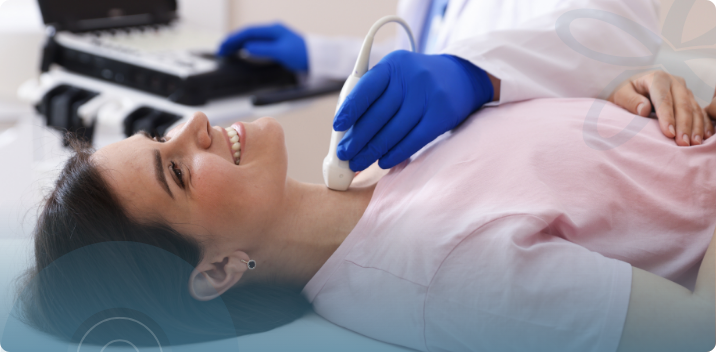
Carotid artery ultrasound for plaque buildup.
Genetic screening if family history is strong.
Brain imaging if symptoms suggest a TIA.
Risk calculators such as the Framingham Stroke Risk Profile can help identify personal risk factors.
Exosome IV Therapy: A Closer Look at Stroke Recovery
What Are Exosomes?
Exosomes are tiny extracellular vesicles released by stem cells and other cells in the body. They act as communication messengers, carrying proteins, lipids, and genetic material (mRNA, microRNA) that signal repair, regeneration, and anti-inflammatory activity.
Instead of introducing new stem cells, exosome therapy delivers these regenerative signals directly through an IV infusion. This cell-free, signal-based approach is one reason exosomes are studied within the broader field of advanced regenerative medicine treatments, which focuses on helping the body repair itself.
How Might Exosomes Aid Stroke Recovery?
Researchers are studying how exosomes target cellular and molecular damage after a stroke. In laboratory and early studies, exosomes appear to influence several recovery pathways. A review on the potential role of exosomes in ischemic stroke published through the NIH describes how exosomes from certain stem cells reduced the brain injury zone and supported neurological recovery in research models.
Key pathways under study include:
Reducing neuroinflammation by calming the excessive immune response that can worsen brain damage.
Promoting neurogenesis, encouraging the formation of new brain cells and neural connections.
Stimulating angiogenesis, supporting new blood vessel growth to improve oxygen delivery.
Enhancing synaptic plasticity, strengthening connections between surviving neurons.
Delivering growth factors that may help repair brain tissue.
Brain Peptides in Stroke Recovery
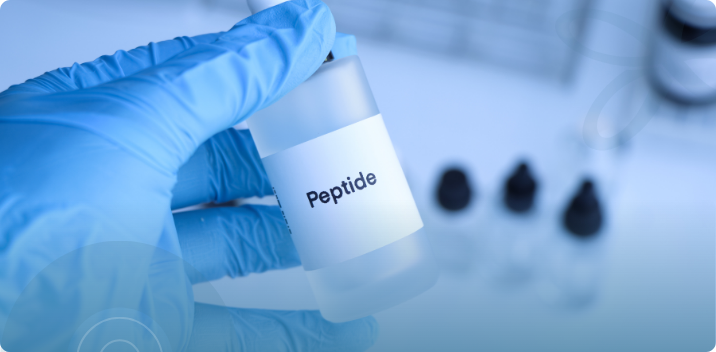
In addition to exosomes, brain peptides (such as cerebrolysin and neurotrophic peptides) are being studied for their possible ability to:
Support cognitive recovery.
Support neuronal survival.
Reduce oxidative stress and free radical damage.
Aid motor rehabilitation outcomes.
The combination of exosomes and peptides is being explored as a synergistic approach to stroke healing. Both fall under the umbrella of regenerative medicine that aims to work alongside, not replace, standard stroke care.
Why Is Exosome Therapy Called a New Frontier?
Exosome therapy is called a new frontier because it shifts the focus from managing symptoms toward signaling cellular repair. As a review on exosomal therapy as a frontier in regenerative medicine indexed by the NIH notes, exosomes can act as a cell-free delivery system that carries the healing characteristics of their parent cells.
It is important to keep expectations realistic. Exosome IV therapy for neurological recovery is still considered emerging and experimental, and it is not a replacement for emergency stroke treatment or proven rehabilitation. Anyone considering it should work with a qualified medical provider who can review their full history and goals.
Possible Benefits Being Studied
In early research and clinical observation, exosome and peptide approaches have been associated with goals such as:
Supporting recovery of motor skills.
Supporting speech and language function.
Helping reduce brain swelling and tissue loss.
Supporting memory and cognitive outcomes.
Supporting mood and reducing post-stroke depression.
Supporting vascular repair that may lower recurrent stroke risk.
While interest is high, research is ongoing, and results vary from person to person. These therapies should be viewed as part of a comprehensive recovery plan guided by your care team.
Conclusion
Stroke recovery has long centered on rehabilitation and symptom management. Today, regenerative approaches like exosome IV therapy and brain peptides are being explored for deeper, cellular-level support. By aiming to reduce inflammation, encourage new neural growth, and support vascular repair, these treatments represent an exciting direction in how we think about stroke recovery.
For patients and families seeking innovative options, AgeRejuvenation focuses on integrating science-driven therapies with patient-centered care, always alongside established medical guidance. To learn whether a provider-supervised exosome and regenerative therapy plan may fit your recovery goals, speak with our team.
Frequently Asked Questions
How long does it take for IV exosomes to work?
Timing varies widely from person to person. Some people report feeling changes within days, while others may take several weeks or longer to notice a difference. Because exosome therapy is still emerging, response time depends on the individual, the goals of treatment, and the overall care plan guided by a provider.
Is exosome IV therapy FDA approved for stroke?
No. Exosome IV therapy is currently considered experimental and is not FDA approved as a treatment for stroke or other specific medical conditions. It should never replace emergency stroke care or proven rehabilitation. Always discuss any regenerative option with a qualified medical provider before starting.
How is exosome IV therapy given?
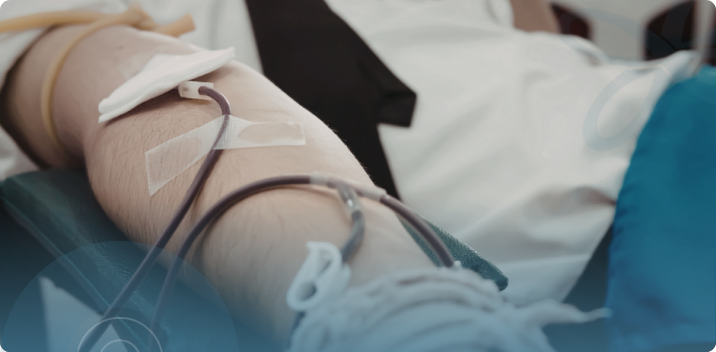
Exosome IV therapy is delivered through an intravenous infusion, usually over roughly 30 to 60 minutes. The exosomes travel through the bloodstream so their signals can reach cells throughout the body. A provider reviews your health history first to determine whether you are an appropriate candidate.
What is the difference between exosomes and stem cells?
Stem cells are whole living cells, while exosomes are tiny vesicles that cells release to communicate. Instead of placing new cells in the body, exosome therapy delivers the repair signals those cells produce. Because it is cell-free, many providers note it may carry a lower risk of immune rejection.
Can exosome therapy replace standard stroke treatment?
No. Exosome therapy is being studied as a complementary, supportive approach, not a substitute for emergency care, clot-busting medication, surgery, or rehabilitation. A stroke is a medical emergency, so call 911 at the first warning sign. Regenerative options should be considered later, as part of a complete recovery plan.
Ready to take the next step?
Talk with the AgeRejuvenation team about a Regenerative Therapy plan built around your labs and goals.